
How to Remove Entire Rear Shock Absorbers
Do you need to remove your car’s rear shock absorber entirely? Does your car transmit severe shocks to the cabin over bumps? It may be time to take your vehicle to a

Do you need to remove your car’s rear shock absorber entirely? Does your car transmit severe shocks to the cabin over bumps? It may be time to take your vehicle to a
Rear shock absorbers for Hyundai must be purchased and changed in pairs. Arsintrading offers shock absorbers from top brands, and you can order them online from Dubai.
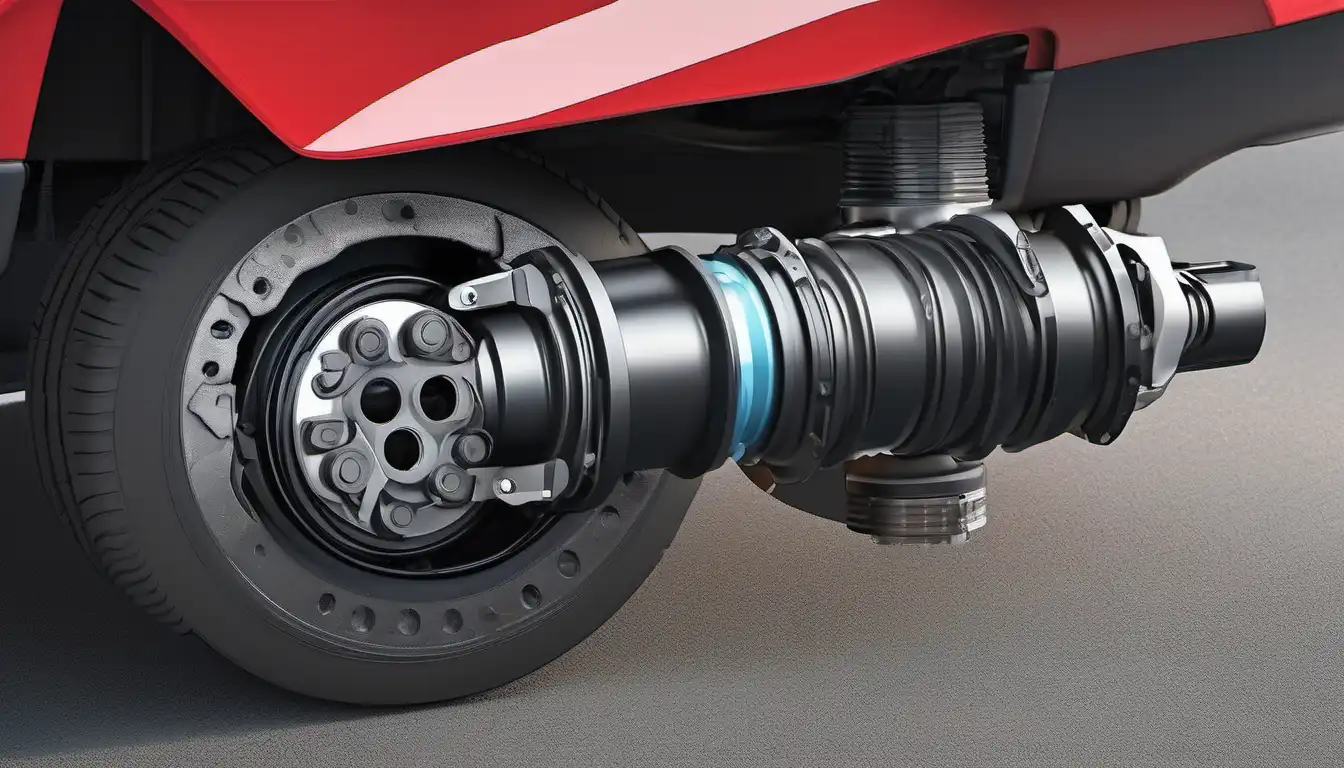
We recommend purchasing and changing rear shock absorbers in pairs. If one shock absorber is worn out, its counterpart is likely in a similar condition. Keeping both sides balanced ensures stability during turns and braking.
Consider checking your shock absorbers every 20,000 km and replacing them on average between 80,000 and 100,000 km. To determine the correct shock absorber references for your Hyundai, select the exact model and engine specifications in our selector.

Worn-out rear shock absorbers are dangerous because they no longer provide sufficient stability to the car, affecting traction during turns, especially in rainy conditions or during braking.
Worn rear shock absorbers can be observed when the car is parked on a flat surface. Oil leaks or abnormal and irregular tire wear are crucial indicators of shock absorber wear. Press down on your KIA or Hyundai’s trunk and release it if you notice the vehicle ‘bouncing’ (moving up and down). There’s a strong likelihood that your Hyundai’s rear shock absorbers need replacement.
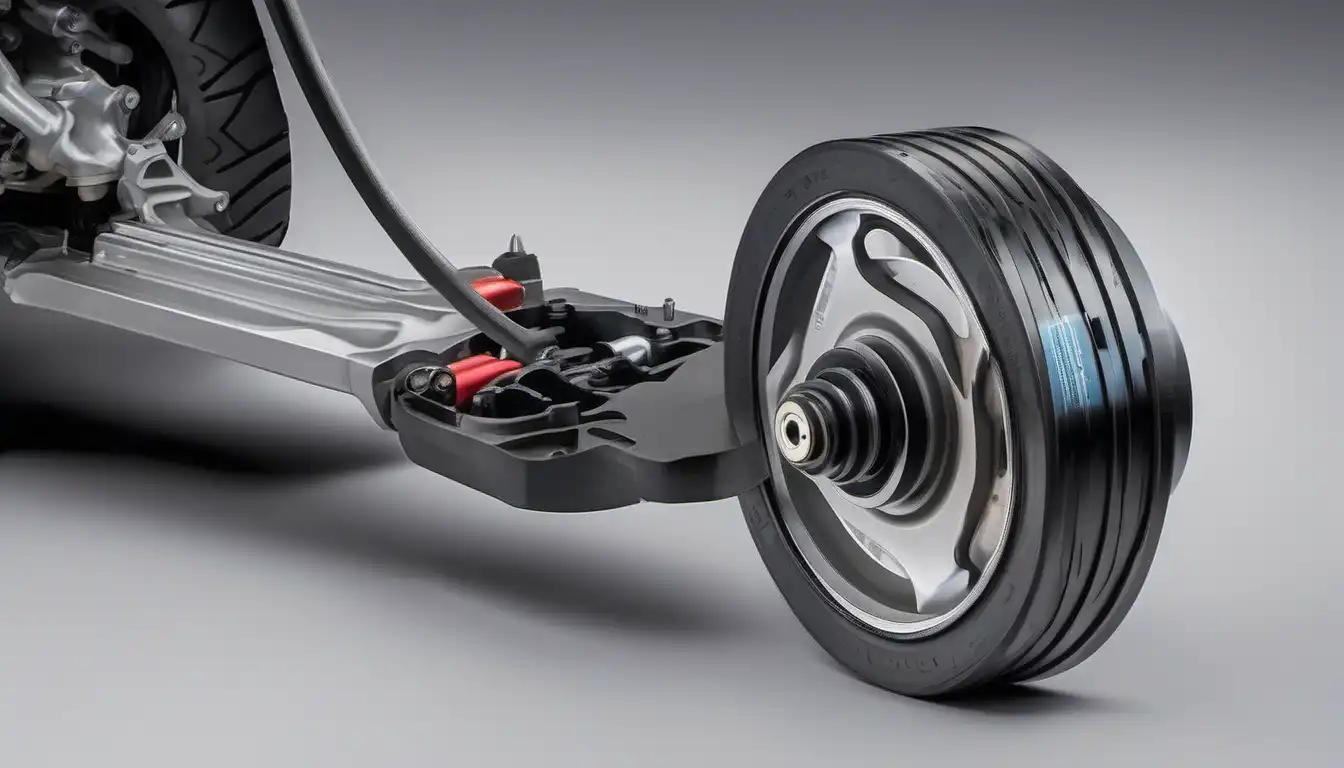
So, in short, how to identify a worn shock absorber is as follows:
As shock absorbers and struts gradually wear out, your vehicle may exhibit signs that its suspension control components are not in good condition. Worn-out shock absorbers and struts can adversely affect steering, braking, and overall vehicle stability. If your vehicle shows any of these symptoms, it’s time to schedule an appointment with your service provider to inspect your suspension system’s safety triangle.
Do you feel that the front of your car quickly dips toward the ground when you brake? This phenomenon is known as “nose dive,” indicating worn shock absorbers and struts. It’s dangerous because it can lead to increased stopping distance.
If your vehicle bounces excessively when you hit a bump, it may be a sign that your shock absorbers and struts are malfunctioning. After encountering a bump, your truck should stabilize rather than continue to bounce. Worn-out shock absorbers and struts struggle to absorb road shocks and dampen bouncing.

Feeling that your vehicle rolls or sways during a turn is annoying and concerning because it can make you feel less in control. As shock absorbers wear out, they may lose their ability to manage weight transfer during turns, potentially requiring more steering effort to negotiate curves.
When your vehicle’s shock absorbers and struts are worn, the car may bounce excessively, reducing road-holding force. This bouncing can also cause accelerated tire wear, including the formation of scallops or cupping (when rubber chunks are torn from the tire).
Properly functioning shock absorbers and struts stabilize the suspension movement during acceleration. When shock absorbers and struts are malfunctioning, the rear of your vehicle may excessively squat when you press the accelerator. This momentum transfer to the rear can cause the front to lift, leading to motion sickness and unnecessarily high stress on the rear suspension components.
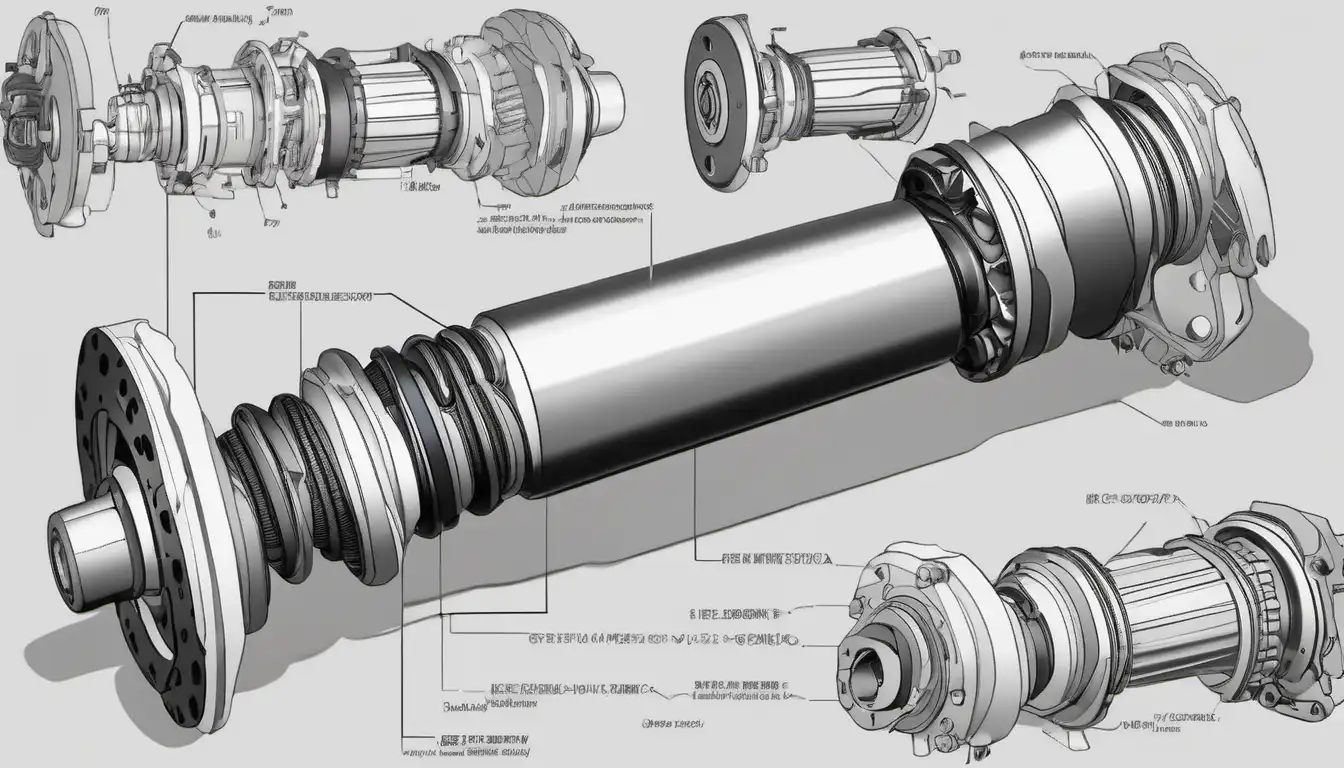
It’s natural to feel a slight vibration in the steering wheel when driving on a bumpy road. If you experience similar vibrations on smooth roads, your shock absorbers, struts, or steering stabilizers may be worn.
You may hear a rattling or knocking noise when shock absorbers and struts are worn. This noise occurs due to metal-on-metal contact when the shock absorber or strut bottoms out after hitting a bump. These sounds can result from wear on the mounting components of the shock absorbers or struts.
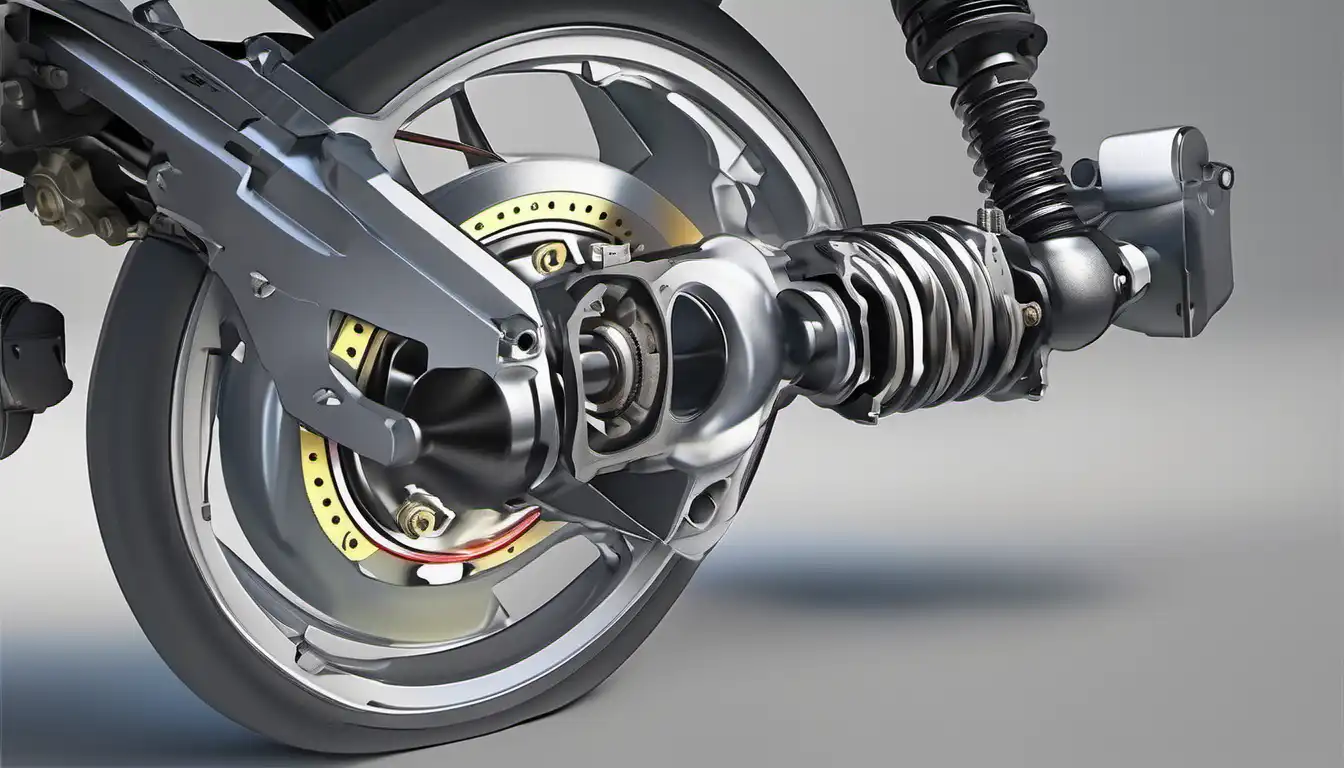
It could be a sign of wear if you notice excessive hydraulic fluid leakage on your shock absorbers or struts. If the sealing joints are faulty, the essential fluid necessary for the proper functioning of your shock absorbers and struts may escape.
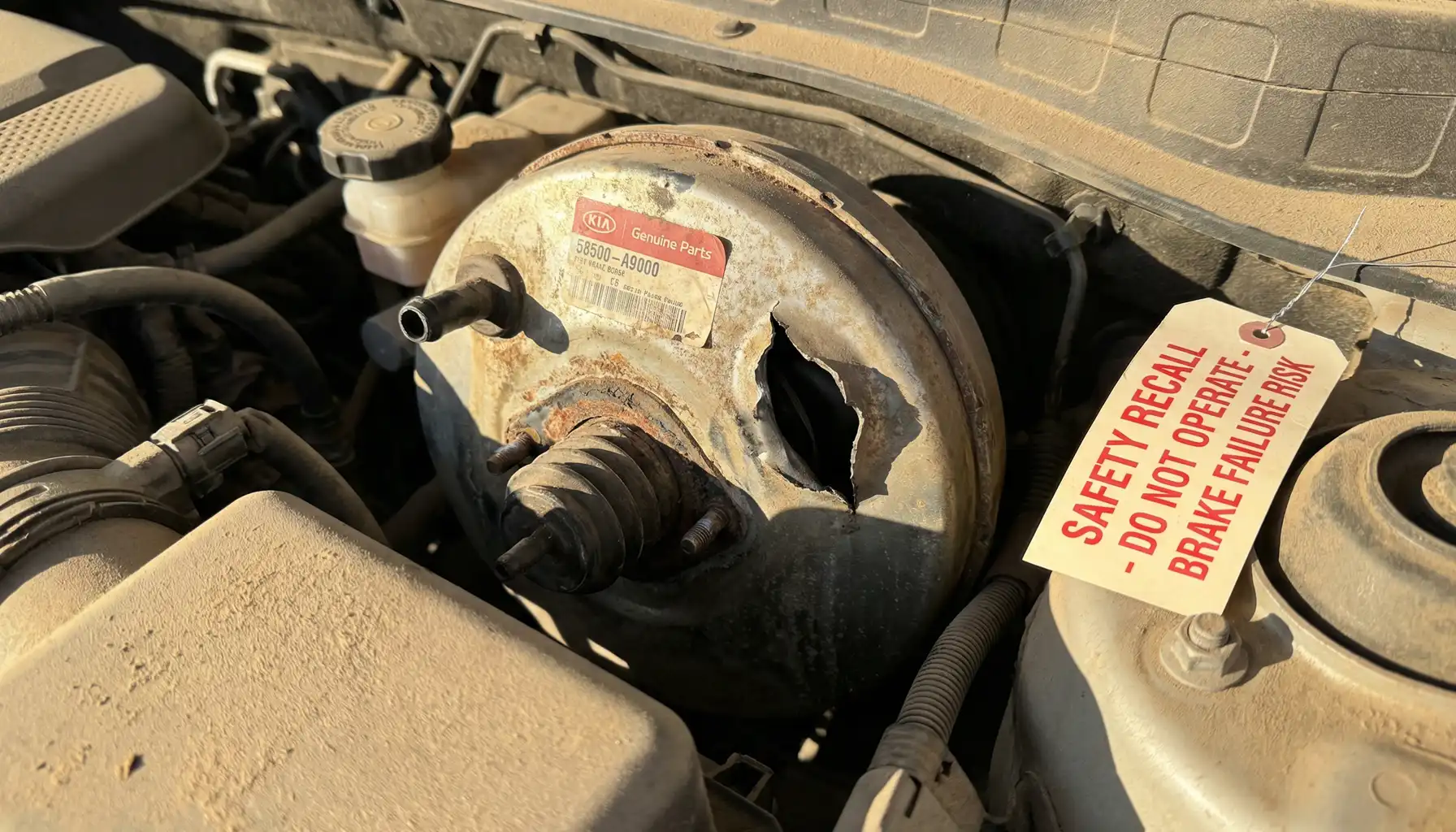
Technically known as a vacuum servo, the Kia brake booster is the component responsible for amplifying the mechanical force the driver apply to the brake

The Korean car brand Hyundai enjoys wide fame and is considered one of the most popular cars in UAE. This is due to the modern
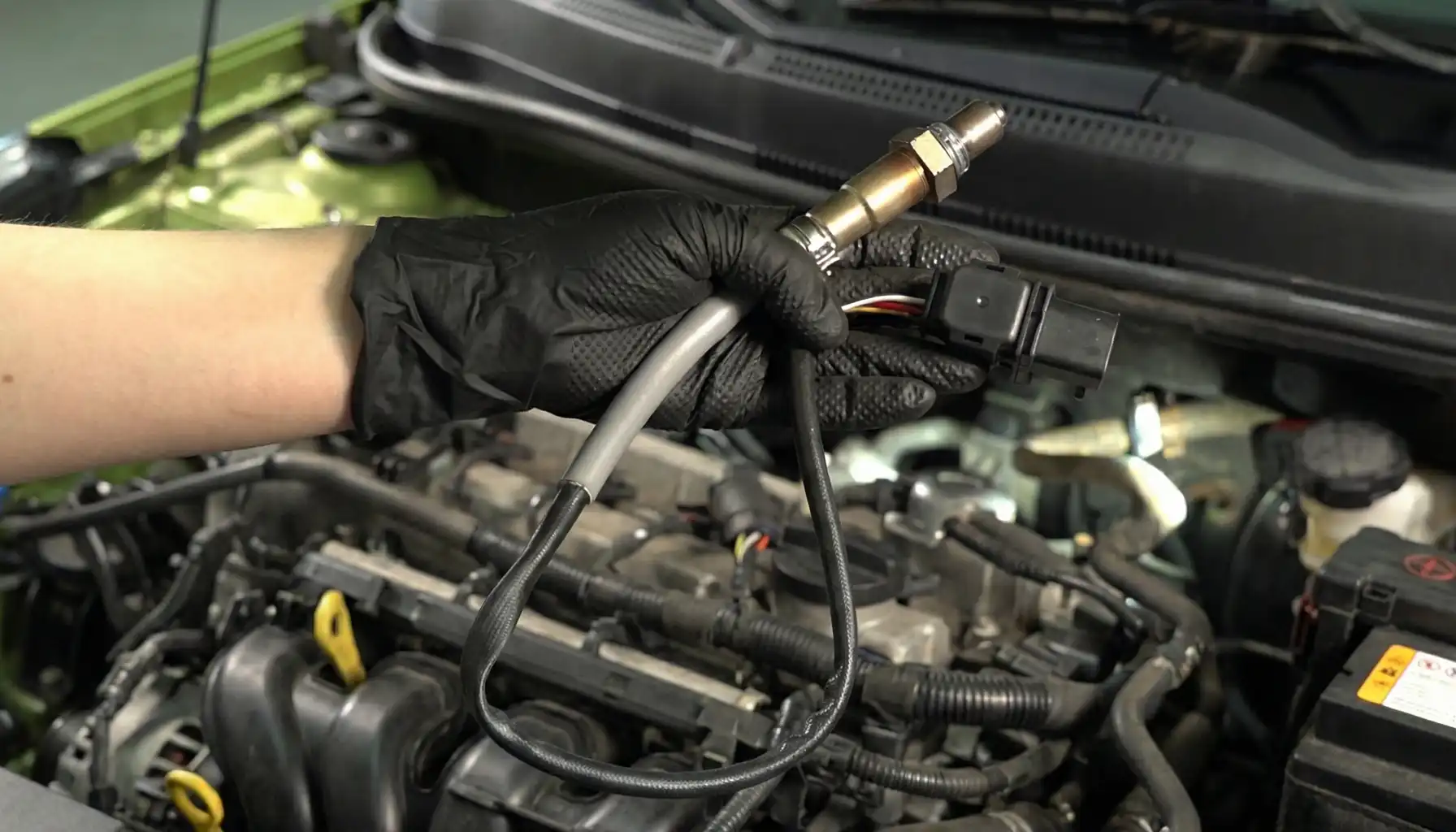
Some reports across the UAE recently indicate that owners of Hyundai models are facing problems with O2 sensors of their vehicles. Hyundai O2 Sensor Failure

Various reports from users of the UAE, Dubai, Sharjah and Abu Dhabi, in some of the forums and social medias shows that some of the